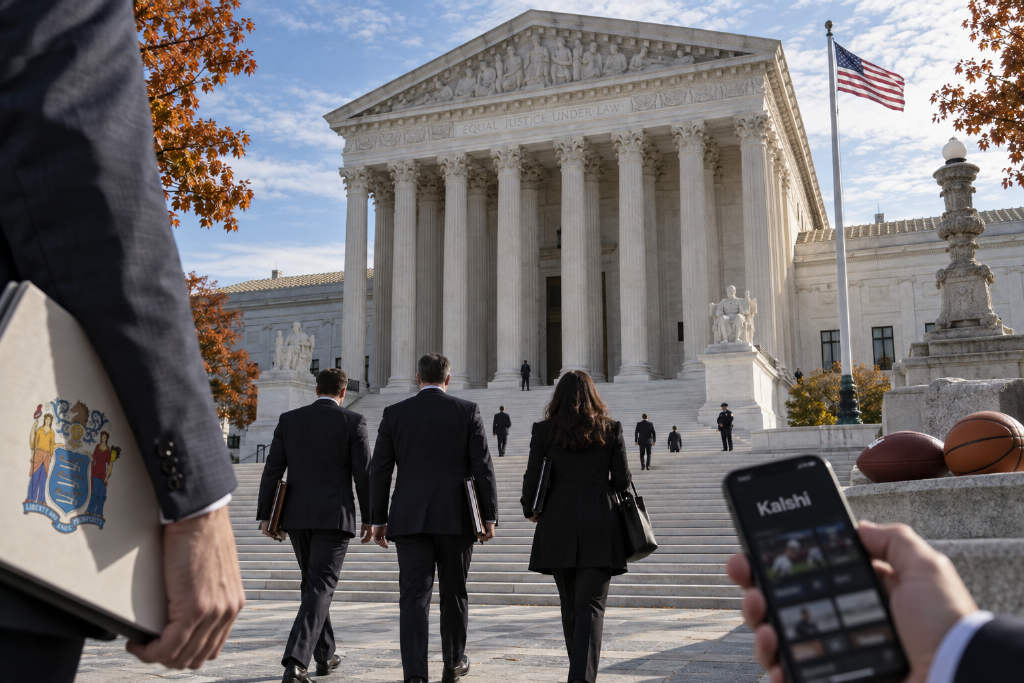
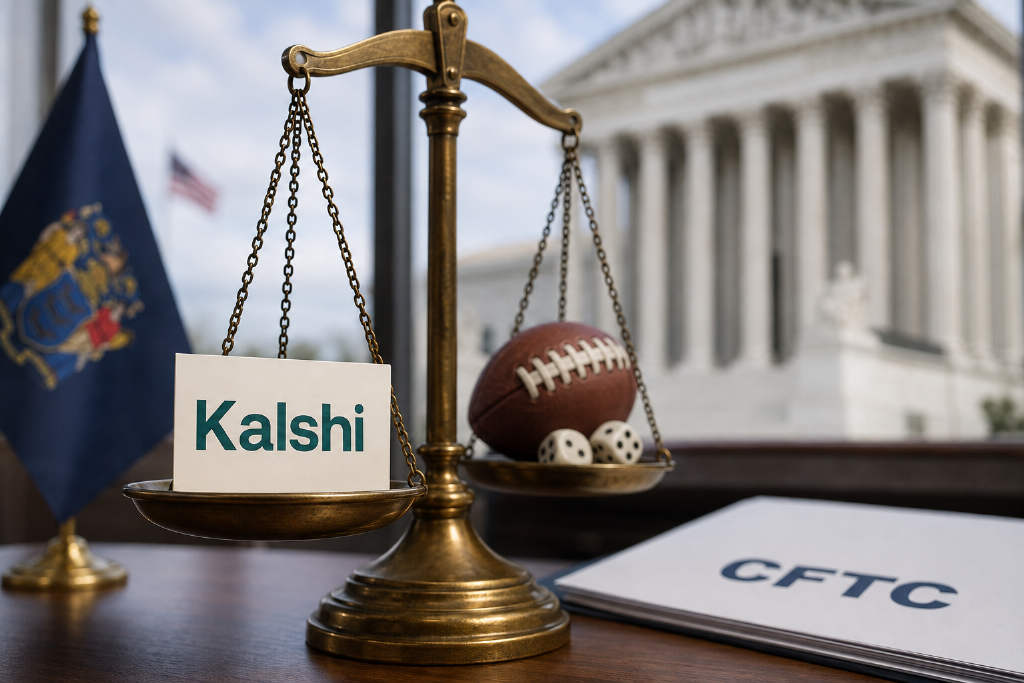
Kalshi2026-09-25 09:38:41Kalshi sports event contract dispute may head to the U.S. Supreme CourtA regulatory dispute over Kalshi’s sports event contracts may be headed to the U.S. Supreme Court after two federal appeals courts reached opposite conclusions on whether individual states can regulate the products. New Jersey has already asked the court to review the matter. At the center of the case is a basic classification question: whether the contracts should be treated as federally regulated financial swaps or as products subject to state gambling laws. The distinction carries direct business consequences for Kalshi, whose sports-related contracts account for about 70% of its daily trading volume. If states are ultimately found to have regulatory authority, the company could face state taxes ranging from 10% to 51% of gambling revenue, along with other restrictions tied to local betting rules.310
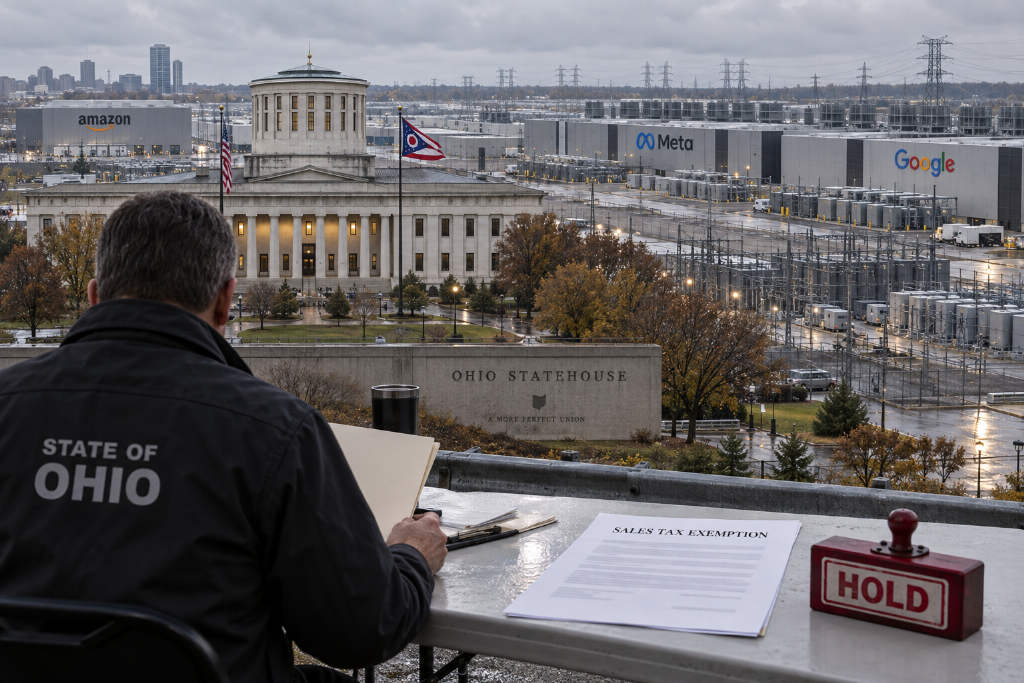
Policy Regula2026-09-09 09:01:21More than 10 U.S. states pull back data center tax breaks as Ohio’s cost estimate jumpsMore than 10 U.S. states are pausing, cutting, or reexamining tax incentives tied to data centers as the AI buildout drives costs far beyond earlier projections. For years, states used tax breaks to lure projects from major tech companies including Amazon, Meta, and Google. That strategy is now under heavier scrutiny as the scale of AI-related infrastructure expands. Ohio stands out most sharply. The state’s sales tax exemption for data centers is expected to reduce tax revenue by about $1.6 billion in 2025, compared with an earlier estimate of $136 million, or roughly 11 times higher. Governor Mike DeWine has already paused approval of new applications for data center tax exemptions. Even so, some previously negotiated incentives for companies such as Amazon, Meta, and Google can continue for decades, and state lawmakers are pushing to renegotiate those terms or impose new taxes. Other states are making changes as well. New Jersey has cut $250 million in planned but not yet issued tax credits for AI and data centers. Virginia has kept its sales tax exemption on equipment, but since July this year it has started charging certain data centers an electricity consumption tax of $0.011 per kilowatt-hour.1140
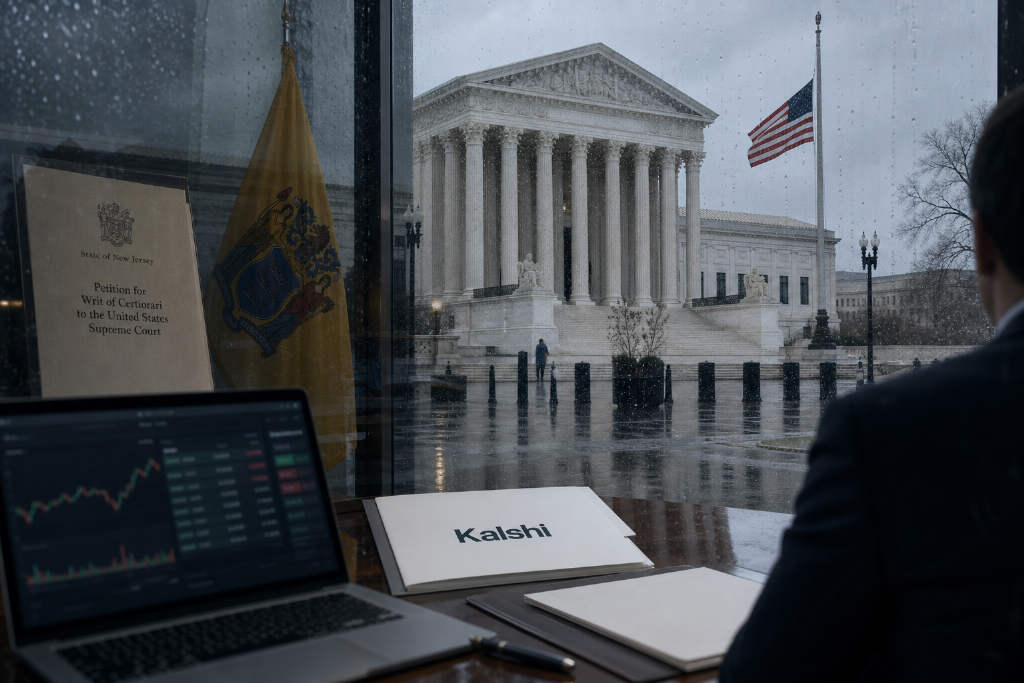
prediction ma2026-09-06 18:30:00Prediction Markets Inch Closer to Supreme Court as New Jersey Files Certiorari Petition in Kalshi CaseNew Jersey last week filed a petition for a writ of certiorari in Kalshi's case against the state, formally asking the U.S. Supreme Court to review a lower court decision. The move pushes the prediction market dispute to the nation's highest court, which will now decide whether to hear the appeal. A Supreme Court ruling could clarify the legal status of event contracts, making this a pivotal moment for the prediction market industry.760
Kalshi2026-09-05 07:44:54Kalshi Says CFTC to Rewrite Rules in Weeks or Months, New Jersey Seeks Supreme Court Review of Sports Betting RegulationKalshi has not filed its response to the Supreme Court for New Jersey's September 2 petition. New Jersey is asking the high court to decide whether states can regulate sports betting offered by CFTC-registered exchanges, an issue that has created a split between the Third and Ninth Circuits. Kalshi CEO Tarek Mansour stated that the CFTC will rewrite rules under Rule 40.11 within weeks or months. Kalshi's litigation lead Jovy Dedaj and spokesperson Dani Lever also said the Ninth Circuit's decision relied on the ongoing rule rewrite. The CFTC proposed in June to replace the blanket ban on gaming contracts with a case-by-case public interest test, classifying sports as gaming but allowing most outcomes and special wagers. After Kalshi's response, New Jersey can reply in 10 days, and the Supreme Court typically meets about a month later to review.870
Kalshi2026-09-04 12:02:42Kalshi declines to list bets on its own Supreme Court fight as legal pressure buildsKalshi is not offering contracts on whether its legal fight with New Jersey will reach the US Supreme Court, or on how the court might rule if it does. According to Barron’s reporter Nick Devor, that leaves the prediction market platform without a hedge against what he described as the biggest risk to its business. A Kalshi spokesperson said the company could list a market tied to Supreme Court action if it chose to, but is not doing so "on principle." Devor also reported that Kalshi does not want to create a market whose outcome it could influence, saying that would conflict with company policy. The decision comes as court rulings over Kalshi’s sports-related contracts are moving in different directions. Last Friday, an appeals court sided with Nevada and found that sports contracts are not swaps, placing them in the category of bets and under state regulation. In April, though, an appeals court backed Kalshi in its suit against New Jersey, holding that federal regulators such as the Commodity Futures Trading Commission, or CFTC, should have the final say over prediction markets and sports-related contracts. New Jersey has now petitioned the Supreme Court, while Michigan has separately barred Kalshi’s event contracts and threatened daily fines. The NFL has also renewed its objections to sports contracts it says are easy to manipulate or inherently objectionable.920
New Jersey2026-09-03 07:57:40New Jersey Asks Supreme Court to Decide if States Can Regulate Sports Event ContractsNew Jersey has asked the U.S. Supreme Court to take up a case that could define who controls sports event contracts offered on federally regulated exchanges. In a 332-page cert petition filed Wednesday, Attorney General Jennifer Davenport and Division of Gaming Enforcement interim director Mary Jo Flaherty asked the justices to decide whether the 2010 Dodd-Frank Act preempts state gambling laws when sports bets are traded on Commodity Futures Trading Commission-registered markets. The filing is the first petition to reach the Court over the legality of Kalshi’s sports contracts. The issue has become more urgent as litigation has spread to at least 20 states, several state gambling laws have been enjoined, and federal appeals courts have split. In April, the Third Circuit ruled 2-1 that the Commodity Exchange Act preempted New Jersey’s gambling laws as applied to Kalshi’s products. Last Friday, the Ninth Circuit went the other way, finding the CEA likely does not preempt Nevada’s rules and denying injunctive relief sought by Kalshi and Crypto.com against the Nevada Gaming Control Board.1070
New Jersey2026-09-03 04:22:05New Jersey Asks U.S. Supreme Court to Review Kalshi Fight Over Sports Event ContractsNew Jersey has petitioned the U.S. Supreme Court to review its dispute with prediction market platform Kalshi, asking the justices to clarify whether a Commodity Futures Trading Commission-regulated venue can offer sports event contracts nationwide without complying with state gambling laws. The filing, submitted on Sept. 2 Eastern Time, centers on whether these products are federally regulated derivatives under the Commodity Exchange Act or effectively sports betting subject to state oversight. The move comes after a split between two federal appeals courts: the Third Circuit previously sided with Kalshi in a preliminary injunction dispute involving New Jersey, while the Ninth Circuit ruled on Aug. 28 in a separate Nevada case that Kalshi had not shown federal law preempted state gambling rules. New Jersey said the conflict has already drawn at least 20 states into litigation and warned that allowing CFTC-registered markets to bypass state licensing, age limits and consumer safeguards could rewrite the long-standing U.S. state-based gambling framework.920
New Jersey2026-09-02 17:23:48New Jersey Becomes First State to Ask Supreme Court to Weigh In on Prediction MarketsNew Jersey has become the first U.S. state to petition the Supreme Court to resolve a legal dispute over prediction markets. After multiple appeals courts issued conflicting rulings on whether states can ban sports-related prediction products, New Jersey seeks clarity from the highest court. This move highlights growing regulatory tensions around event-based wagering platforms.1060